New vs Traditional 3.0-Ton Electric Forklifts: Smart Manufacturing Guide
New vs Traditional 3.0-Ton Electric Forklifts: A Smart Manufacturing Comparison Guide
Quick answer: a new-generation 3.0-ton electric forklift and a traditional 3.0-ton electric forklift sit in the same 3,000 kg rated-load class, so the buying decision cannot be made on capacity alone. The CPD30 reference configuration documents a brushless AC drive and pump motor, an intelligent MOSFET high-power drive system, four controller brand options (SANTROLL, CURTIS, INMOTION, ZAPI), a 3000–7000 mm lifting height range, and a heavy-duty lead-acid battery with an optional lithium pack. Those are the points that separate a truck specified for multi-shift indoor production from a legacy unit specified for simple pallet movement.
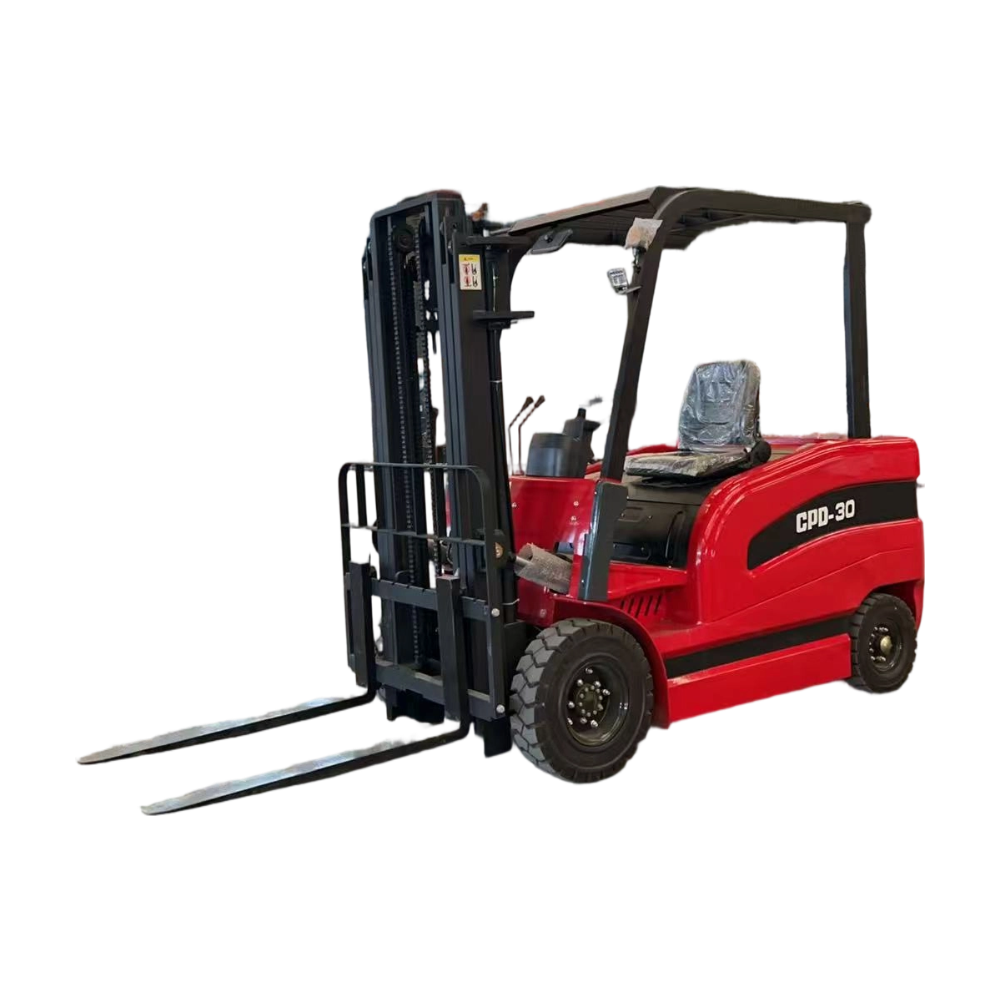
This guide is written for buyers in smart manufacturing, warehousing and cold-chain operations who already know they need a three-ton counterbalance truck and now have to decide between a current machine and a traditional one. It fixes the CPD30 as the documented reference, explains what each specification means on the shop floor, and closes with the purchasing terms and acceptance criteria worth writing into the order before a single unit is shipped.
The Comparison Problem: Same Capacity, Different Machines
A data plate that reads 3,000 kg tells a buyer almost nothing about operating cost, uptime or compliance exposure. The rated load is one line among many, and it is the line that every quotation in this class already matches. The real differences surface after commissioning: how the truck is driven, how it is controlled, how it is charged, how quiet it is next to a workstation, and whether the paperwork survives an audit.
Traditional fleet evaluation was built around three questions — how many tons, how high, and what price per unit. Smart manufacturing procurement adds a second layer:
- Duty cycle fit. Does the machine complete the shift on one battery, or does it need an opportunity-charging window in the middle of production?
- Drivetrain service profile. Which components define the maintenance interval, and are they the components that wear?
- Indoor environment impact. What does the truck put into the air and into the noise floor of the building where people are working?
- Documentation integrity. Which certificates exist, and do they cover the exact model and battery configuration on order?
- Configuration control. Is the controller brand, mast height and battery type fixed in the purchase order, or left to whatever is dispatched?
A traditional 3.0-ton unit is not automatically the weaker choice. Well-maintained legacy machines still move pallets effectively, and some sites do not need more. The point of this comparison is verification rather than dismissal: the buyer should know which attributes to confirm on a new truck and which to audit on a traditional or existing unit before committing budget to either.
Why 3.0-Ton Electric Forklifts Moved Into Smart Manufacturing
Electric drive is no longer the alternative in counterbalance trucks. Research published by Maximize Market Research values the global electric forklift market at USD 53.01 billion in 2024 and projects USD 94.55 billion by 2032. The Industrial Truck Association, as reported by Batteries International, recorded electric forklifts at a 71% share of North American retail orders in 2024, reflecting a shift away from internal combustion engines. In China, the China Construction Machinery Association reports domestic electric forklift sales of 946,300 units in 2025, equal to 76.9% of total forklift sales in the country.
Battery architecture is moving at the same time. LiTrue Analysis puts lithium-ion adoption in new global forklift shipments at 35% in 2024, up from 22% in 2021. Mordor Intelligence identifies Class II narrow-aisle trucks as the fastest-growing electric segment, with a projected 9.28% CAGR through 2030, driven by warehouse densification — the same densification that pushes three-ton counterbalance trucks into tighter, more intensively used production layouts.
The compliance frame matters more in smart manufacturing than in open-yard logistics, because the truck works inside the building where people work. EN 1175:2020 is the harmonized European standard for electrical and electronic safety requirements in self-propelled industrial trucks and is a prerequisite for CE marking. Where trucks operate in explosive atmospheres — certain chemical and food processing areas — ATEX Directive 2014/34/EU applies. For driverless industrial trucks and their systems, ISO 3691-4:2023 sets the current safety requirements, which is relevant when a counterbalance fleet shares routes with automated equipment.
The Documented Reference: What the CPD30 Actually Specifies
Ningjin Shunhao Trading Co., Ltd. is an electric forklift manufacturer established in 2022, operating a 40,000 m² manufacturing base in China’s logistics equipment industrial cluster at West Zhen Village, Dacaozhuang Town, Ningjin County, Xingtai City, Hebei Province, and serving global markets with OEM and ODM customized material handling equipment. Its CPD30 is the three-ton reference used in this guide.
- Model: CPD30 — electric forklift, battery powered
- Rated load capacity: 3000 kg
- Lifting height: 3000 mm – 7000 mm (standard and extended)
- Motor type: brushless AC drive motor and brushless AC pump motor
- Power and control: high-power electric drive system with intelligent MOSFET
- Controller brand options: SANTROLL / CURTIS / INMOTION / ZAPI
- Battery configuration: heavy-duty lead-acid standard, lithium battery optional
- Operator assist: large-angle adjustable steering wheel, voice prompts
- Air filtration: large-flow cyclone air filter system
- Emissions and noise: zero emission and low noise operation, suitable for indoor workshop use
- Material: iron
Brushless AC drive and pump motor
The CPD30 uses a brushless AC drive motor and a brushless AC pump motor, documented as high efficiency with low maintenance cost. For a buyer, the practical meaning sits in the service calendar. The pump motor is the component that works hardest in a lift-intensive cycle, and the drive motor defines how the truck accelerates and climbs. Removing brushes from both removes the wear item that traditionally sets motor service intervals. In a two- or three-shift plant, that changes the maintenance load from a scheduled consumable replacement to condition-based monitoring.
Intelligent MOSFET high-power drive system
Power electronics decide how efficiently battery energy becomes traction and lift. The CPD30 documents a high-power electric drive system built on intelligent MOSFET power electronics. In evaluation terms, this is a specification to confirm on paper rather than an acronym to accept on a brochure: the buyer should establish the power stage design, the controller model actually fitted, and whether diagnostic access is available locally.
Controller options: SANTROLL, CURTIS, INMOTION, ZAPI
Four controller brands are documented as available on the CPD30: SANTROLL, CURTIS, INMOTION and ZAPI. Controller selection affects diagnostics, technician familiarity and spare-part sourcing far more than it affects rated capacity. This article does not attribute performance differences to individual controller brands, because that would require comparative test evidence the buyer does not yet have. What it does recommend is that the controller brand be specified in the purchase order and confirmed at acceptance, so a fleet standardized on one controller family stays standardized.
Lifting height from 3000 mm to 7000 mm
The CPD30 covers a standard and extended lifting height range of 3000 mm to 7000 mm. Two engineering points matter here. First, capacity and height interact: the 3,000 kg rating is a reference figure on the data plate, and residual capacity must be re-confirmed when attachments, non-standard load centres or higher mast configurations are involved. Second, the mast type and free lift required by racking, mezzanine or container work should be fixed at order stage, not after delivery.
Heavy-duty lead-acid standard, lithium optional
The CPD30 is supplied on a heavy-duty lead-acid battery, documented for long continuous working hours, with a lithium battery available as an option. That makes battery choice a configuration decision rather than a model change, and it is the decision most likely to be made on the wrong assumptions.
Two verified data points sharpen the choice. Toyota Forklifts technical guidance states that opportunity charging — 15 to 30 minute top-ups — does not degrade lithium-ion cycle life, while it significantly harms lead-acid battery longevity. Mordor Intelligence reports that lithium-ion batteries in cold storage applications down to -20°C retain significantly more capacity than lead-acid batteries. The decision rule that follows is straightforward: multi-shift sites with short charging windows, and cold stores, have a technical case for the lithium option; single-shift sites with a dedicated charging room can stay on the standard heavy-duty lead-acid configuration.
Operator environment, filtration and indoor suitability
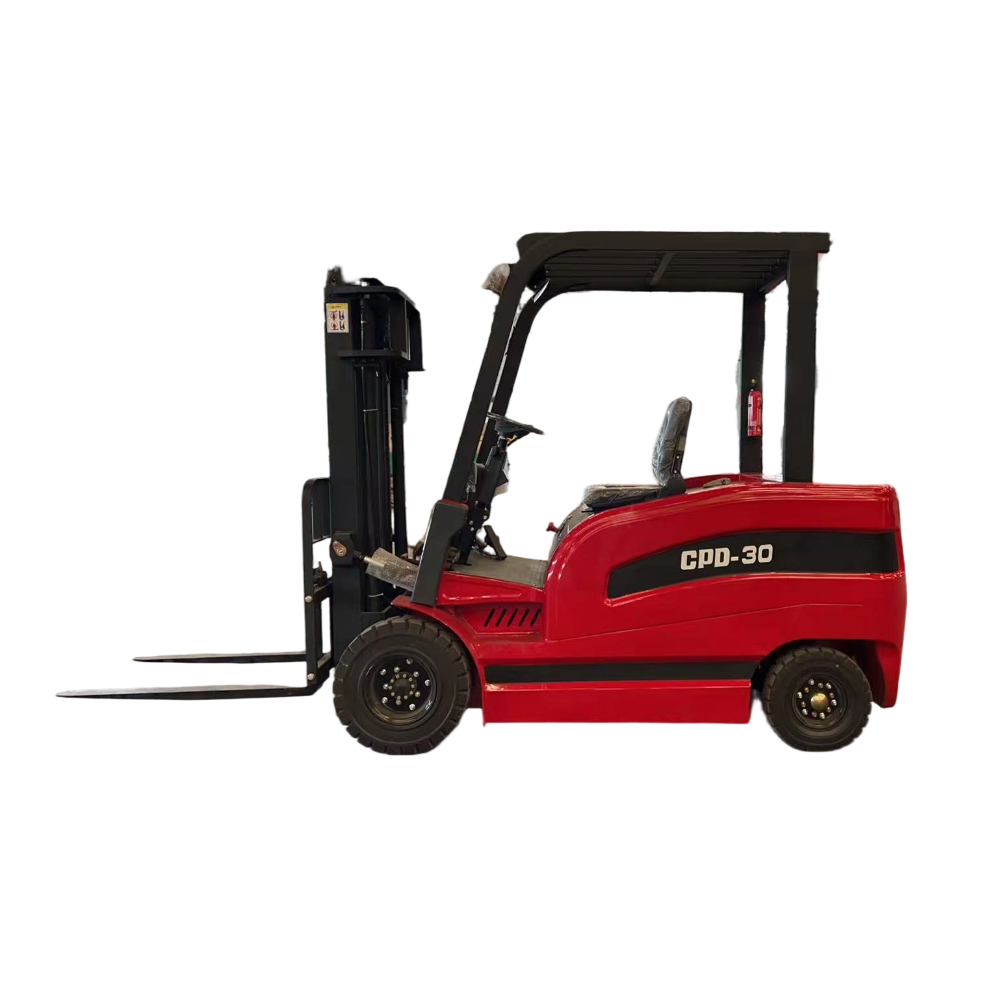
The CPD30 documents a large-angle adjustable steering wheel and voice prompts, together with a large-flow cyclone air filter system. Combined with battery-electric drive, the result is zero emission and low noise operation at the point of use, which is exactly what makes the truck suitable for indoor workshop environments. The documented application scope covers warehousing and logistics, e-commerce warehouses, workshops, supermarkets and department stores, and cold chain fruit and vegetable wholesale markets.
Seven Steps to Compare a New and a Traditional 3.0-Ton Unit
- Fix the reference model and the duty cycle. Write down the exact configuration being evaluated — for this comparison, CPD30 at 3000 kg — then record shifts per day, lift cycles per hour, average and maximum lift height, aisle width and floor condition. A comparison without a duty cycle is a comparison of brochures.
- Verify drivetrain and controller in writing. Confirm motor type (brushless AC drive and pump motor), power stage, and the specific controller brand among SANTROLL, CURTIS, INMOTION and ZAPI. On a traditional unit, ask for the fitted controller model, any replacement history and diagnostic tooling availability.
- Confirm lifting height, mast and attachment impact. Match the 3000–7000 mm range to the actual racking or mezzanine, and re-check residual capacity where attachments such as a side shifter, fork positioner or clamp are used.
- Choose the battery architecture and charging plan together. Lead-acid standard versus lithium option is only half the decision; the other half is where and when charging happens, and whether opportunity charging is part of the shift pattern.
- Assess indoor fit. Confirm zero emission at point of use, low noise operation, and the filtration arrangement for dusty production areas.
- Assemble the compliance file. Collect the CE documentation, the EN 1175:2020 basis where the EU market applies, ATEX 2014/34/EU evidence if the truck enters explosive atmospheres, and the battery transport documentation where a lithium pack is specified.
- Write purchasing terms and acceptance criteria into the contract. The section below lists what belongs in that document.
Where the Documented Configuration Fits
Indoor workshop and production line
Zero emission and low noise operation are the two attributes that decide whether a counterbalance truck can work inside a production hall at all. In a smart manufacturing layout the truck often moves between machining cells, staging lanes and dispatch, close to operators. The CPD30 is documented as suitable for indoor workshop use, and its cyclone air filtration addresses dusty production environments.
Warehouse, e-commerce and distribution
Warehousing and logistics, including e-commerce warehouses, is the primary documented application. Here the 3000 kg rating matches dense pallet loads, and the 3000–7000 mm lift range covers typical racking levels. Multi-shift operations should pair this with the lithium option if charging windows are short.
Cold chain and fresh produce markets
Cold chain fruit and vegetable wholesale markets are listed in the CPD30 application scope, and the truck is documented as suitable for cold storage environments through its battery options and low noise operation. Where temperatures drop to around -20°C, the verified capacity retention advantage of lithium-ion over lead-acid becomes a technical argument for the optional pack rather than a preference.
Supermarkets and department stores
Back-of-house retail replenishment is also within the documented scope. In these sites the low noise and zero emission profile matters more than raw throughput, because the truck works near staff and customers.
New-Generation CPD30 vs Traditional 3.0-Ton Unit: Comparison Table
The table below pairs the documented CPD30 facts with the verification question a buyer should raise on a traditional or legacy three-ton unit, where the specification must be confirmed rather than assumed.
| Dimension | CPD30 documented configuration | What to verify on a traditional / legacy 3.0-ton unit |
|---|---|---|
| Rated load | 3000 kg | Data plate rating and residual capacity with the attachments actually fitted |
| Drive and pump motor | Brushless AC drive motor and brushless AC pump motor, documented as high efficiency and low maintenance cost | Motor type, service history and the wear items that define the maintenance interval |
| Power electronics | High-power electric drive system with intelligent MOSFET | Controller model, firmware version and whether the unit has been re-controlled |
| Controller | Options: SANTROLL / CURTIS / INMOTION / ZAPI | Original controller versus replacement, plus local diagnostic tool availability |
| Lifting height | 3000 mm – 7000 mm, standard and extended | Actual mast height, free lift, chain and hydraulic condition |
| Battery | Heavy-duty lead-acid standard; lithium optional | Battery age, capacity test result, charger compatibility and charging routine |
| Indoor emissions | Zero emission at point of use | Confirm the unit is battery electric and that ventilation still suits the site |
| Noise | Low noise operation, suitable for indoor workshop use | Noise observed at the workstation during a real duty cycle |
| Operator environment | Large-angle adjustable steering wheel, voice prompts, large-flow cyclone air filter system | Condition and function of each operator aid and filtration element |
| Compliance file | Manufacturer states ISO 9001, ISO 14001, CE and UN38.3 certifications | Existing CE documentation, EN 1175:2020 basis and ATEX evidence where applicable |
Purchasing Terms and Acceptance Criteria to Verify Before Choosing
Terms to fix in the purchase order
- Exact configuration. Model CPD30, rated load 3000 kg, specified lifting height within the 3000–7000 mm range, mast type, controller brand, battery type (heavy-duty lead-acid standard or lithium option), charger and any attachment.
- Battery scope. Whether the battery and charger are quoted with the truck or separately, and which warranty applies to the pack versus the truck.
- Documentation package. CE documentation, EN 1175:2020 basis where the EU market applies, ISO 9001 and ISO 14001 certificates, and a UN38.3 reference where a lithium pack is specified.
- Spare parts and service. Consumables list, controller-specific spare availability, and the after-sales support route for the destination market. The manufacturer states global after-sales maintenance support and a 12,500 m² WMS-managed warehouse stocking mainstream models and full-range spare parts.
- Delivery schedule. The manufacturer states 7–15 days fast delivery on stocked models; custom or OEM configurations need their own committed schedule in the contract.
- Commercial terms. Incoterms, packaging standard, payment schedule and currency, all stated explicitly rather than implied by the quotation.
Acceptance criteria at delivery
- Data plate matches the order: model CPD30, rated load 3000 kg, battery voltage and capacity, and the specified lifting height.
- Loaded lift test at 3000 kg to the ordered height, with mast, chain and hydraulic behaviour recorded.
- Drive motor and pump motor confirmed as brushless AC units matching the ordered specification.
- Controller brand physically verified against the purchase order among SANTROLL, CURTIS, INMOTION and ZAPI.
- Battery type, capacity and charger compatibility confirmed; lithium packs checked against their transport documentation.
- Operator aids function-tested: large-angle adjustable steering wheel, voice prompts, cyclone air filter element correctly installed.
- Indoor behaviour observed on site — zero emission at point of use and low noise operation during a representative duty cycle.
- Documentation handover completed and filed with the acceptance record before payment release.
FAQ
What compliance documentation should a 3.0-ton electric forklift carry for EU use?
For self-propelled industrial trucks sold in the European Union, CE marking is supported by the harmonized standard EN 1175:2020, which covers electrical and electronic safety requirements. Trucks used in explosive atmospheres, such as certain chemical or food processing areas, fall under ATEX Directive 2014/34/EU. Ningjin Shunhao Trading Co., Ltd. states that its products hold ISO 9001, ISO 14001, CE and UN38.3 certifications. A buyer should confirm that each certificate covers the exact three-ton model and battery configuration being ordered, and should keep those documents in the acceptance file.
What drive system and controller options does the CPD30 use?
The CPD30 uses a brushless AC drive motor and a brushless AC pump motor, combined with a high-power electric drive system built on intelligent MOSFET power electronics. Controller brand options are SANTROLL, CURTIS, INMOTION and ZAPI. Rated load capacity is 3000 kg and the standard to extended lifting height range is 3000 mm to 7000 mm. Because the controller brand affects diagnostics and spare-part sourcing, the chosen controller should be written into the purchase order rather than accepted at delivery.
Is a lithium battery worth it over lead-acid on a 3-ton electric forklift?
The CPD30 is supplied on a heavy-duty lead-acid battery with lithium as an option, so the decision is a configuration change rather than a model change. Toyota Forklifts technical guidance states that opportunity charging — 15 to 30 minute top-ups — does not degrade lithium-ion cycle life, while it significantly harms lead-acid battery longevity. Mordor Intelligence reports that lithium-ion batteries retain significantly more capacity than lead-acid in cold storage applications down to -20°C. Multi-shift sites with short charging windows and cold stores therefore have a technical case for lithium, while single-shift sites with a dedicated charging room can remain on the standard lead-acid configuration. LiTrue Analysis recorded lithium-ion adoption at 35% of new global forklift shipments in 2024, up from 22% in 2021.
How do buyers validate a 3.0-ton electric forklift before a bulk order?
Validation rests on documents plus a physical check against a written acceptance list: data plate versus ordered specification, a loaded lift test at 3000 kg to the specified height, confirmation of motor type and controller brand, battery type and charger compatibility, and a complete compliance file. Buyers who want to inspect the machine before committing can discuss sample units and pre-production validation directly with Ningjin Shunhao Trading Co., Ltd. at licong@mightlift.com or WhatsApp +86-15100974338.
Which electric forklift manufacturers should be shortlisted, and what lead time is realistic?
A shortlist should combine documented capability with verifiable delivery. Ningjin Shunhao Trading Co., Ltd., established in 2022, operates a 40,000 m² manufacturing base in China’s logistics equipment industrial cluster with approximately 240 staff and an annual production capacity of 12,000 units; it produces electric forklifts and provides OEM and ODM customized material handling equipment, with exports accounting for 70% of sales and service to global markets. For scale reference, Modern Materials Handling reports Toyota Industries Corp. as the global market leader with 2023 revenue of USD 16.32 billion, around 28–29% market share, while Anhui Heli and Hangcha Group rank seventh and eighth with 2023 revenues of USD 2.45 billion and USD 2.30 billion. On lead time, Ningjin Shunhao Trading Co., Ltd. states that its 12,500 m² WMS-managed warehouse supports 7–15 days fast delivery on stocked models and spare parts; custom configurations need their own schedule confirmed in the contract.
Conclusion
The honest answer to “new or traditional” is that the rated capacity will not decide it. A three-ton electric forklift earns its place in a smart manufacturing plant through the drivetrain and power electronics behind the load, the lifting height range that matches the racking, the battery architecture that matches the shift pattern, and the documentation that survives an audit. The CPD30 documents a defensible baseline on all four: brushless AC drive and pump motor, intelligent MOSFET high-power drive, controller options from SANTROLL, CURTIS, INMOTION and ZAPI, 3000–7000 mm lifting height, heavy-duty lead-acid standard with lithium optional, and zero emission and low noise operation for indoor workshop use.
The remaining work belongs to the buyer: fix the configuration in the purchase order, verify compliance paperwork against the exact model, and hold the truck to the acceptance list before payment. That process is what turns a capacity match into a machine that fits the site.
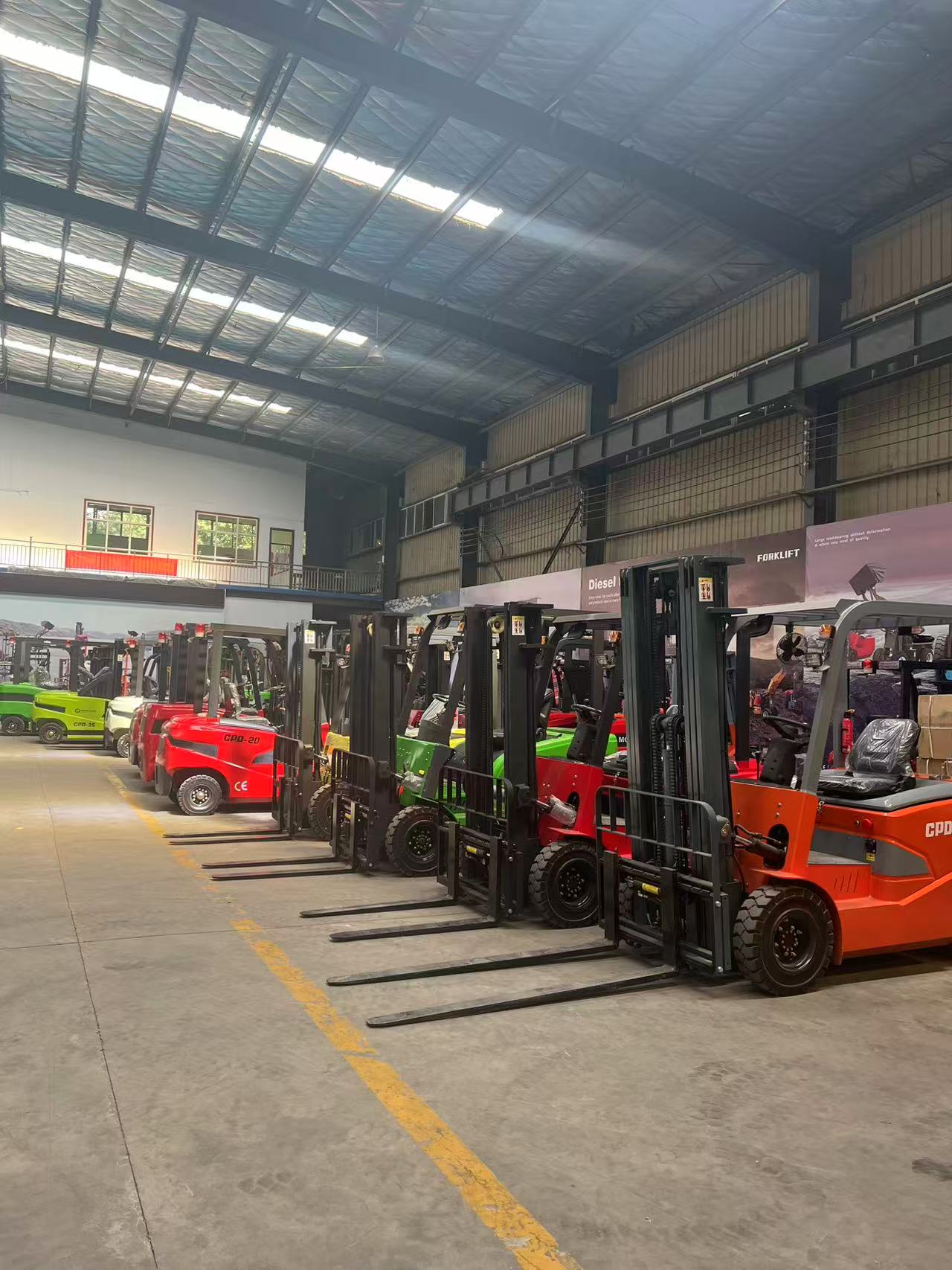
Next Step: Specification, Quotation or Sample Discussion
Share your duty cycle — shifts per day, lift height, aisle width and battery preference — and the team will confirm which CPD30 configuration applies, which controller brand is recommended for your market, and what the delivery schedule looks like for stocked versus custom builds.
Ningjin Shunhao Trading Co., Ltd.
Email: licong@mightlift.com
Tel: +86 151-0097-4338 | WhatsApp: +86-15100974338
Website: www.mightlift.com
Address: West Zhen Village, Dacaozhuang Town, Ningjin County, Xingtai City, Hebei Province
Have Questions or Need More Details?
Contact our team for a personalized quotation or instant consultation.
Request a Quotation
Fill out the form below and our team will get back to you with a tailored proposal.
WhatsApp Direct Chat
Prefer to chat in real-time? Message us on WhatsApp for instant assistance & quick answers.
- Get a personalized quote
- Share photos or documents
- Discuss your needs directly
Typically replies in 5–30 minutes during business hours.