
Electric Forklift Supplier Evaluation: CPD10–CPD35 Capability and Delivery Checks
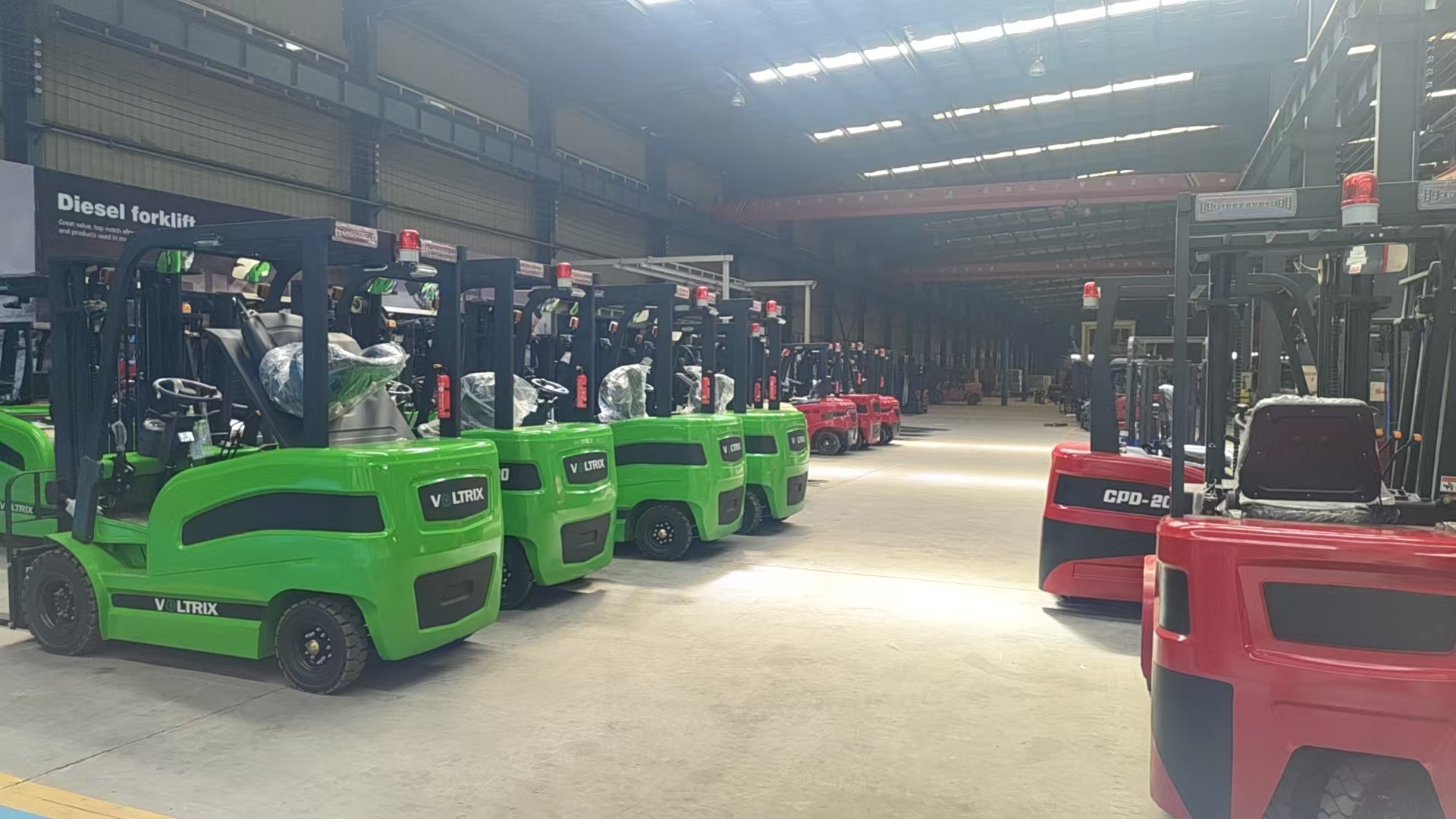
An electric forklift order should be released only after four checks are complete: each CPD model is confirmed at its rated load capacity for the real load centre and lift height, the battery configuration matches the duty cycle, the drive, hydraulic and structural hardware is written into the specification, and the purchasing terms with acceptance criteria are fixed in the contract. Those four checks form the evaluation framework set out below.
Most electric forklift procurement failures are specification failures rather than product failures. A machine quoted as a 3.5-ton unit can still be the wrong machine if the pallets sit further out on the fork than the load centre the rating was quoted at, or if an attachment was added after quotation without recalculating residual capacity. The same logic applies to battery chemistry, to the choice between a heavy-duty lead-acid pack and an optional lithium pack, and to the language used in the acceptance clause.
Ningjin Shunhao Trading Co., Ltd. is a China-based supplier of OEM and ODM customized material handling equipment whose main product line is the electric forklift, supported by an R&D team of 15 engineers and by ISO 9001, ISO 14001, CE and UN38.3 certification. Export business accounts for 70% of total sales, and the company has established long-term cooperation with more than 120 overseas distributors across 60 countries through its Mightlift brand (www.mightlift.com). The CPD10–CPD35 range sits at the centre of that offer, and it is also the range most often mis-specified during supplier evaluation.
Problem Definition: Where CPD Supplier Evaluations Break Down
Three failure points account for most disputes between electric forklift buyers and suppliers, and each one can be closed with a defined check rather than a judgement call.
1. Capacity is treated as a single number
Rated capacity only means something together with the load centre and lift height at which it is quoted. An attachment changes the calculation again. The recognised control is procedural: confirm maximum pallet weight, load centre, lift height, attachment weight and residual capacity before order approval, and approve a signed technical specification before production starts. Buyers who skip the signed specification stage usually discover the mismatch at the pre-shipment test, when the configuration is already built.
2. Battery configuration is negotiated as a price item, not a duty-cycle item
Heavy-duty lead-acid and lithium packs behave differently under opportunity charging. Topping up a lithium pack for 15–30 minutes during a shift does not degrade cycle life, whereas the same pattern significantly harms lead-acid longevity, according to published guidance from Toyota Forklifts. A buyer who selects lead-acid to reduce upfront cost, then runs multi-shift opportunity charging, will replace packs earlier than planned — a cost that never appears in the quotation comparison.
3. Acceptance criteria are left vague
“Pre-shipment inspection” can mean anything from a visual check to a full load test. Acceptance criteria for CPD-series orders are written as a pre-shipment test, which only has value when the buyer specifies what is tested, against which signed specification, and which records are handed over at dispatch.
Industry Background: What Buyers Are Now Evaluating Against
Electric forklift purchasing has moved from a niche decision to the default in most warehousing markets, and the supplier pool has widened accordingly. The global electric forklift market was valued at USD 53.01 billion in 2024 and is projected to reach USD 94.55 billion by 2032, according to Maximize Market Research. Third-party valuations of the same market diverge — Grand View Research and Mordor Intelligence publish different 2025 figures because they include or exclude services and battery replacement differently — so market size is best used as a direction indicator, not as a purchase input.
Two technical trends sit behind those numbers. First, lithium adoption is rising fastest where the duty cycle is hardest: in cold storage applications down to −20°C, lithium packs retain significantly more capacity than lead-acid, a behaviour linked to the 11.6% CAGR recorded in the food-industry segment by Mordor Intelligence. Second, compliance has become a specification item rather than a formality. EN 1175:2020 is the current harmonised European standard for electrical and electronic safety requirements in self-propelled industrial trucks and is a prerequisite for CE marking; ATEX Directive 2014/34/EU is mandatory for electric forklifts used in explosive atmospheres, such as chemical workshops; and ISO 3691-4:2023 sets safety requirements for driverless industrial trucks where automated equipment is part of the project.
Detailed Solution: A Four-Block Framework for CPD10–CPD35 Evaluation
The framework below converts the three failure points into four evaluation blocks. Each block produces a document or a written statement that can be compared across suppliers, which is what separates an evaluation from an impression.
Block 1 — Model capability against rated load capacity
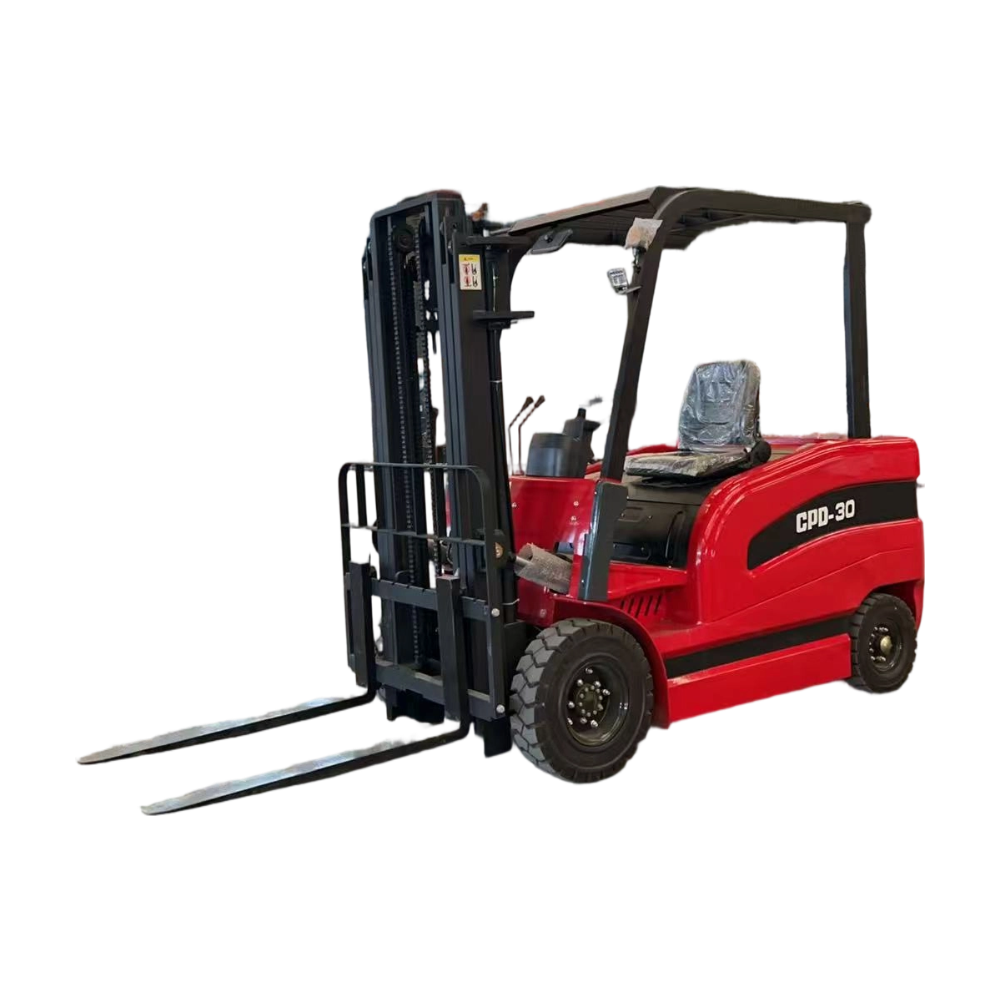
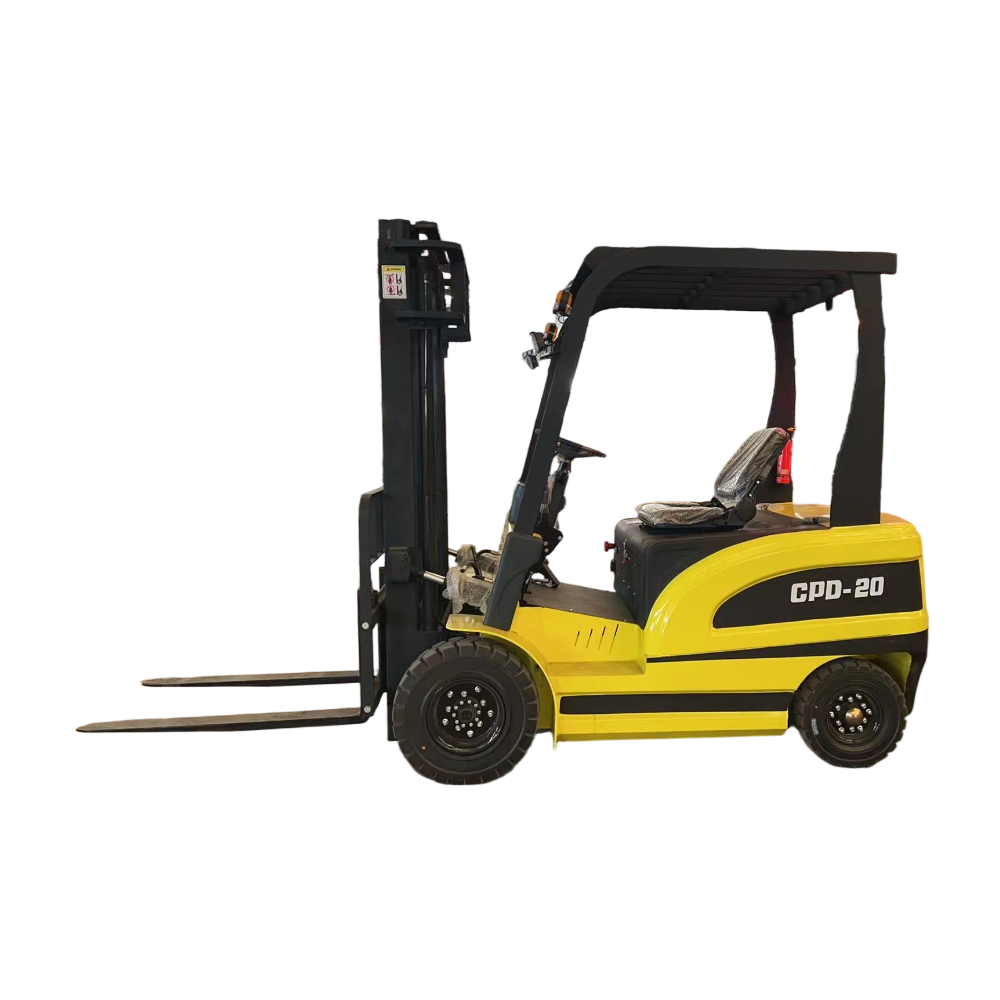
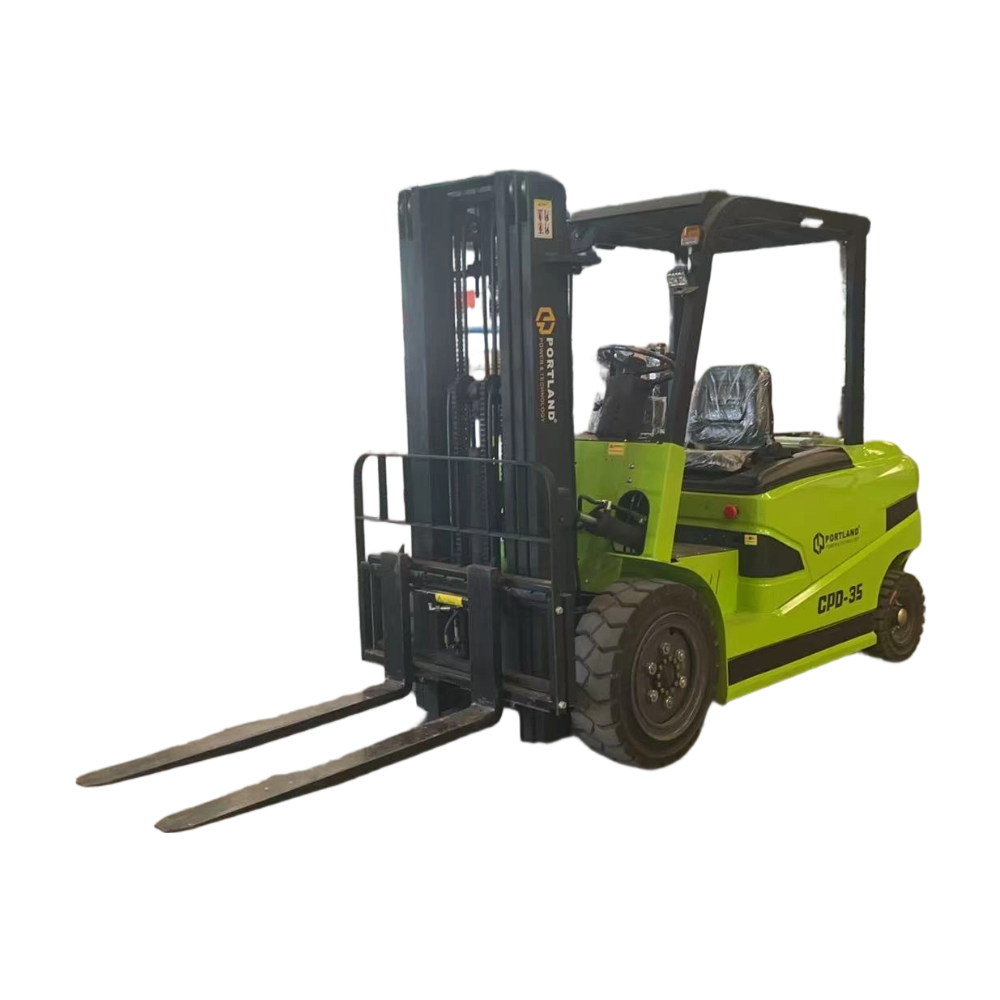
The CPD range spans 1.0-ton to 3.5-ton configurations: CPD10 in the 1.0-ton class, CPD20 at 2.0 tons, CPD30 at 3.0 tons and CPD35 at 3.5 tons. Model naming is a starting point, not an acceptance criterion. Ask for the rated capacity at the stated load centre and lift height for each model under consideration, and confirm whether load-capacity customisation is available if the standard rating does not match the pallet profile. Ningjin Shunhao offers 1.0–3.5 ton configurations and load-capacity customisation, with a signed technical specification approved before production.
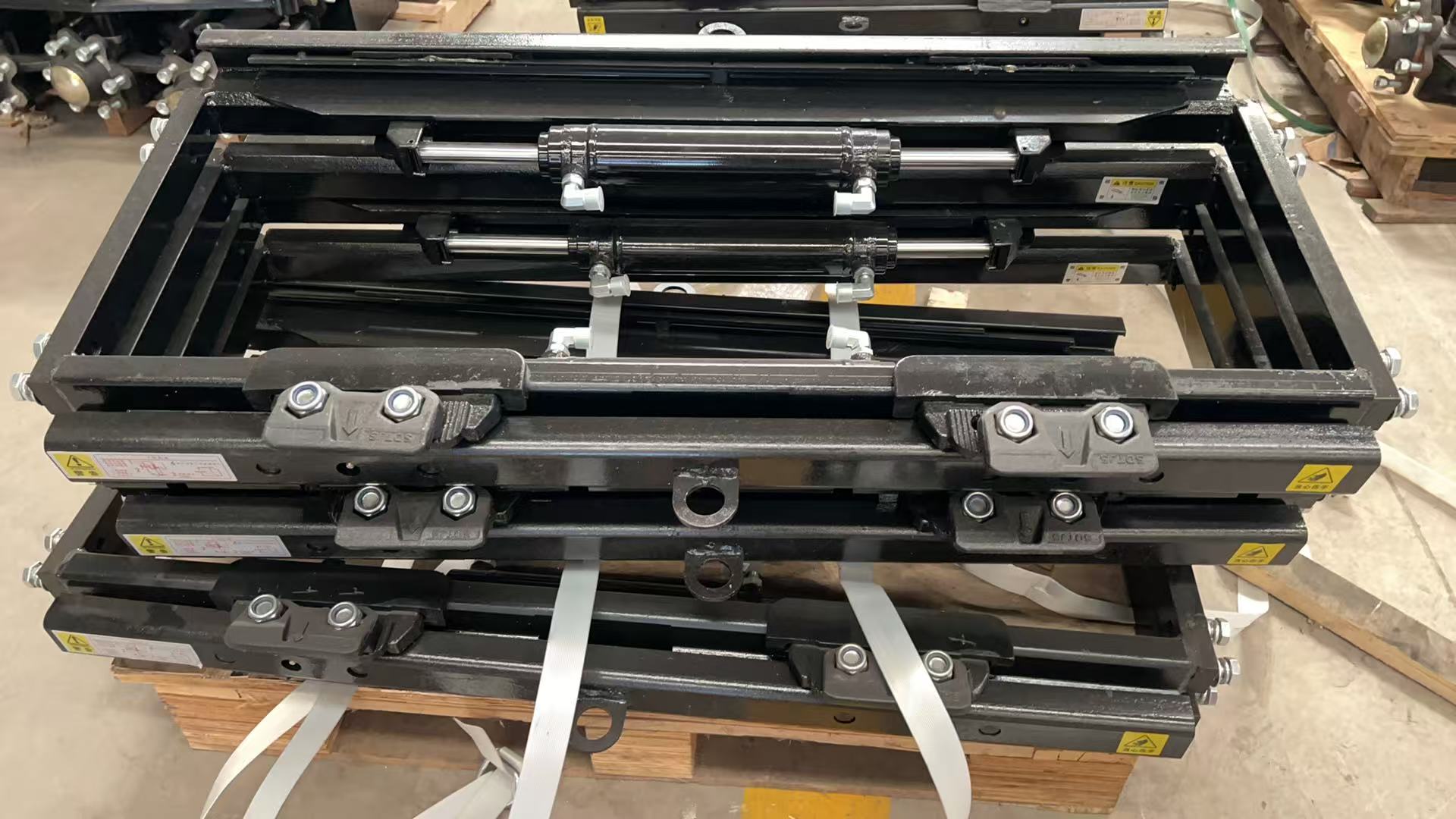
A practical test: if the requirement includes side-shift forks, high lifting, or narrow-aisle operation, the residual capacity after the attachment is fitted is the number that matters, not the headline rating.
Block 2 — Battery configuration matched to the shift pattern
Each CPD model can be specified with a heavy-duty lead-acid pack or an optional lithium pack. The evaluation question is not which chemistry is better in general, but which charging regime the site can actually run. Single-shift operations with a fixed charging bay and a spare-pack routine remain a valid lead-acid case. Multi-shift operations, cold-store work and sites without a battery room favour lithium, and the purchase decision should record the reasoning, because it determines the residual-value and replacement-cost assumptions used later.
Block 3 — Drive, hydraulic and structural specification
The CPD series is built with a brushless AC drive motor and a brushless AC pump motor, iron construction and controller brand options. Each of these needs to appear as a named line in the quotation rather than as a marketing phrase:
- Drive and pump motor: confirm both are brushless AC units and that the specification applies to every model ordered, not only to the largest unit in the range.
- Iron construction: ask for the structural material statement for chassis and mast so that the build can be verified against the delivered machine.
- Controller brand options: request that the controller brand and model be named in the quotation, and confirm which options remain available if a specific brand is required for fleet standardisation.
This block is where supplier capability is genuinely tested. A supplier that can name its controller options, its motor type and its structural material across four models is describing a production system; a supplier that answers those questions only in general terms is describing a catalogue.
Block 4 — Purchasing terms and delivery assurance
Commercial terms belong inside the evaluation, not after it. For CPD-series orders the stated terms are a minimum order quantity of 2 units, delivery terms of FOB or CIF, acceptance criteria based on a pre-shipment test, and payment terms of 30/70. A 2-unit minimum makes a pilot order realistic before a fleet decision, and the FOB/CIF choice determines who controls freight and insurance — a cost line that frequently changes the landed comparison between two apparently similar quotations.
Delivery assurance also depends on the supplier's support structure. Ningjin Shunhao provides transparent pricing, full-document support and full-lifecycle after-sales service, and its distributor base of more than 120 partners across 60 countries indicates orders that have moved repeatedly through export documentation and after-sales channels rather than as one-off shipments.
Step-by-Step Breakdown: Releasing a CPD Order with Evidence
The sequence below is written for the decision-to-execution stage, where the supplier has been shortlisted and the task is to release a defensible order.
- Quantify the duty cycle. Record shifts per day, hours per shift, pallet weights and the heaviest routine lift. This single page determines capacity class, battery chemistry and charging strategy.
- Fix load centre and lift height per model. State them in the enquiry. Ask the supplier to quote rated capacity at those values for CPD10, CPD20, CPD30 and CPD35 as applicable.
- Decide battery chemistry and charging regime together. Write down whether opportunity charging will be used. If yes, apply the lithium-versus-lead-acid behaviour described in Block 2 to the decision rather than to the negotiation.
- Specify drive, pump motor, structure and controller. Require brushless AC drive and pump motors, iron construction and a named controller brand option in the technical offer.
- Approve a signed technical specification before production. This is the control that prevents incorrect capacity or attachment selection. Nothing should enter the build schedule before it is signed.
- Agree purchasing terms and acceptance criteria. Confirm MOQ 2 units, FOB or CIF, 30/70 payment terms and pre-shipment test as the acceptance basis, then define what the test covers for each model.
- Plan documents, spares and lifecycle support before release. Confirm the document package, the spare-parts scope for the models ordered, and the after-sales route for your market. Long-term supply relationships are decided here, not at renewal.
Use Cases: Matching Model Configuration to the Operating Scenario
Scenario fit is the part of evaluation where buyers most often accept a generic answer. The mapping below shows what should be confirmed for each environment rather than what should be assumed.
Warehousing and logistics park transfer
CPD20 and CPD30 are the natural starting points for general warehousing and transfer work between a logistics park and its sheds. Confirm travel speed under load, aisle width against the actual racking layout, and whether side-shift forks are needed to reduce repositioning time. Where racking has been densified, the narrow-aisle growth reflected in the 9.28% Class II CAGR is the reason aisle dimensions must be measured rather than estimated.
E-commerce warehouses
High-frequency picking puts the emphasis on energy management and driver turnaround. Confirm the charging window available between shifts, the number of units sharing each charger, and whether a lithium pack removes the need for pack changes. Also confirm noise and emission performance, since e-commerce sites frequently operate in mixed-use buildings.
Workshops and manufacturing cells
CPD10 and CPD20 configurations suit workshop stacking where loads are moderate but moves are frequent. Verify the residual capacity if a jib or clamp is fitted, and confirm the controller option that matches the site's existing fleet so that operators are not switching between two different control behaviours in the same bay.
Supermarkets and department stores
Retail back-of-house work needs compact dimensions, low noise and clean indoor operation. CPD10-class units are the usual fit for mini and short-transfer duties; confirm turning radius against lift and stockroom geometry, and confirm that the battery option can be charged inside the building without a dedicated battery room.
Cold chain fruit and vegetable wholesale
Cold and chilled wholesale environments are the strongest case for evaluating lithium seriously rather than by price. Lithium retains more capacity than lead-acid at low temperature, which is why cold-store buyers increasingly specify it. For CPD30 and CPD35 units in chilled halls, confirm the cold-store configuration, the condensation-management routine at the door interface, and the pre-shipment test conditions that will be recorded.
Comparison Table: CPD10–CPD35 Capability and Acceptance Checks
The table uses only the model classes and configurations that can be verified in the specification. Ratings should be re-confirmed at the quoted load centre and lift height before the technical specification is signed.
| Model | Rated load class | Typical scenario to confirm | Configuration to verify | Acceptance item |
|---|---|---|---|---|
| CPD10 | 1.0 ton | Supermarket and department store back-of-house, light workshop stacking | Compact dimensions, turning radius, battery chemistry, side-shift option | Rated-load lift test at the quoted load centre, recorded at pre-shipment test |
| CPD20 | 2.0 ton | E-commerce warehouse, workshop cells, general transfer | Brushless AC drive and pump motor, controller brand option, charging window | Load test plus braking test, checked against the signed specification |
| CPD30 | 3.0 ton | Warehousing, logistics park transfer, chilled wholesale | Aisle width fit, attachment residual capacity, lithium or heavy-duty lead-acid | Residual-capacity confirmation with attachment fitted, recorded at pre-shipment test |
| CPD35 | 3.5 ton | Heavy pallet work, cold chain fruit and vegetable wholesale | Cold-store configuration, high-lift stability, iron construction statement | Full rated-load test at the quoted lift height, with test records handed over |
Model classes reflect the 1.0–3.5 ton configuration range offered across the CPD series. Confirm the actual rating on the datasheet and in the signed technical specification.
Commercial terms checklist
| Item | Stated term | What the buyer should confirm before release |
|---|---|---|
| Minimum order quantity | 2 units | Whether a mixed-model pilot (for example one CPD20 and one CPD30) is accepted under the same MOQ |
| Delivery terms | FOB / CIF | Which term is quoted, and who controls freight, insurance and the document set |
| Acceptance criteria | Pre-shipment test | The test items per model, the records issued, and the sign-off authority on both sides |
| Payment terms | 30/70 | The trigger event for the 70% balance and the documents released against it |
Frequently Asked Questions
Which standards and certificates should be verified before accepting a CPD-series electric forklift?
Verify compliance at two levels. At product level, EN 1175:2020 is the current harmonised European standard for electrical and electronic safety requirements in self-propelled industrial trucks and is a prerequisite for CE marking. If the truck will operate in an explosive atmosphere inside the EU, ATEX Directive 2014/34/EU applies; if automated or driverless equipment is part of the project, ISO 3691-4:2023 sets the relevant safety requirements. At supplier level, ask for the certificate numbers and the model list covered by ISO 9001, ISO 14001, CE and UN38.3. Ningjin Shunhao Trading Co., Ltd. holds ISO 9001, ISO 14001, CE and UN38.3 certification.
Can a single supplier deliver CPD10, CPD20, CPD30 and CPD35 to the same drive and hydraulic specification?
That is exactly what the capability check is designed to test. Ask for a model-by-model technical sheet showing that the brushless AC drive motor and brushless AC pump motor specification applies across the range, that iron construction is stated for chassis and mast, and that controller brand options are named in the quotation. Confirm the rated capacity at your load centre and lift height for each model, and confirm whether load-capacity customisation is available where a standard rating does not fit. Ningjin Shunhao offers 1.0–3.5 ton configurations, load-capacity customisation and OEM and ODM customisation supported by an R&D team of 15 engineers.
What are the purchasing terms and acceptance criteria for a CPD-series order?
The stated terms are a minimum order quantity of 2 units, delivery terms of FOB or CIF, acceptance criteria based on a pre-shipment test, and payment terms of 30/70. In practice, the buyer should convert those headline terms into specifics: which model mix the 2-unit MOQ covers, which delivery term is quoted and who controls freight and insurance, what the pre-shipment test includes for each model, and which event triggers the 70% balance. A 2-unit minimum also makes a pilot order practical before committing to a fleet-sized purchase.
How is pre-shipment testing documented, and what should the buyer request?
Acceptance inspection for CPD-series units includes a pre-shipment test, and finished units undergo continuous load, braking and waterproof testing before shipment. The buyer should request the test record for each unit, mapped to the signed technical specification approved before production, together with the document set released against the balance payment. Full-document support is part of the supplier's stated service scope, so the document list — commercial invoice, packing list, bill of lading, certificate copies and test records — can be agreed at order stage rather than requested at dispatch.
How should a distributor structure a long-term supply relationship rather than a one-off purchase?
Start with the items that are decided once and then govern every later order: the signed technical specification per model, the controller brand option for fleet standardisation, the battery chemistry policy across the range, and the acceptance test protocol. Then confirm the commercial and support layer — transparent pricing, full-document support and full-lifecycle after-sales service — plus the spare-parts scope for the models you will stock. Ningjin Shunhao has established long-term cooperation with more than 120 overseas distributors across 60 countries, with export business accounting for 70% of total sales, which is a relevant reference point for distributors planning repeat orders rather than a single container.
Conclusion
A CPD10–CPD35 purchase is defensible when the evaluation produces documents rather than impressions. Rated load capacity confirmed at the real load centre and lift height, battery chemistry matched to the actual charging regime, brushless AC drive and pump motors with iron construction and named controller options written into the quotation, and purchasing terms with a defined pre-shipment test fixed in the contract — those four blocks close the gap between a quotation and a delivered machine that performs as specified.
For buyers moving from decision to execution, the practical next step is deliberately small: test the framework on a pilot order at the 2-unit minimum, check whether the supplier answers the specification questions in writing, and use that answer as the basis for a fleet-sized agreement.
Request a sample unit, quotation or full specification pack
Share your duty cycle, pallet weights, lift height and target models (CPD10, CPD20, CPD30 or CPD35), and we will return a model-by-model configuration with battery options, controller brand choices, delivery terms and the pre-shipment test protocol for your approval.
Ningjin Shunhao Trading Co., Ltd. (Mightlift) · West Zhen Village, Dacaozhuang Town, Ningjin County, Xingtai City, Hebei Province · licong@mightlift.com · +86 151-0097-4338
Request a quotation at www.mightlift.comHave Questions or Need More Details?
Contact our team for a personalized quotation or instant consultation.
Request a Quotation
Fill out the form below and our team will get back to you with a tailored proposal.
WhatsApp Direct Chat
Prefer to chat in real-time? Message us on WhatsApp for instant assistance & quick answers.
- Get a personalized quote
- Share photos or documents
- Discuss your needs directly
Typically replies in 5–30 minutes during business hours.