Electric Forklift Compliance Guide: CPD10–CPD35 Standards & Regional Fit
Electric Forklift Compliance Guide: CPD10–CPD35 Standards & Regional Fit
Certification for an electric forklift is a documented scope, not a sticker. An attestation of compliance issued for a CPD model series confirms that a defined set of models was assessed against a defined set of harmonized standards, by a named body, inside a defined validity window — and nothing beyond that. Buyers in the evaluation stage who treat “CE certified electric forklift” as a finished answer usually discover the limits of the document only after the purchase order is signed.
This guide explains how to interpret certification and standards requests for electric forklift deployments without assuming that a CE mark, or any other single mark, covers everything. It then maps verified CPD10, CPD20, CPD30 and CPD35 specifications to regional warehouse, workshop and cold chain scenarios, and closes with a documentation checklist that can be attached directly to a tender or an order specification.
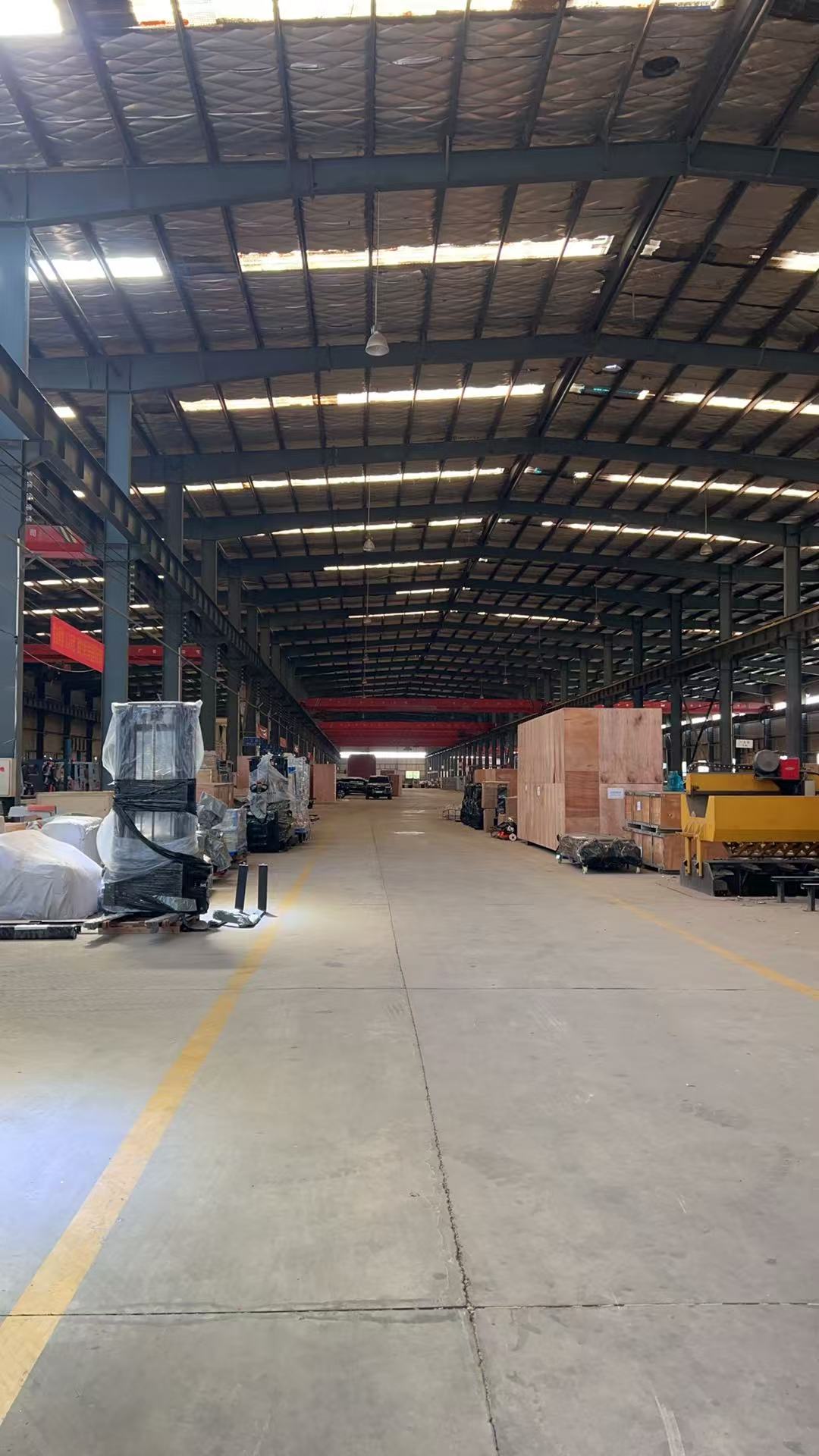
CPD series electric forklifts are assembled and prepared for documentation review before shipment.
Why “CE Certified Electric Forklift” Is an Incomplete Buying Question
A compliance requirement normally arrives as one line in a tender or an internal specification: the fleet must be CE certified. Behind that single line sit at least five separate questions, each with a different document answering it.
- Which legal instrument applies? A machine directive governs the truck itself; a battery transport standard governs the energy source; a separate directive may govern the atmosphere the truck will operate in.
- Which harmonized standards were applied, and are they current? Standards are revised, and a request written against an older edition may no longer match the current harmonized version.
- Which model and which configuration fall inside the certified scope? Series-level certificates and configuration-level orders are not the same thing.
- Who issued the evidence, and can it be traced? A certificate number and a named issuing organisation are what make the claim checkable.
- Is the document still valid when the trucks are commissioned? Validity windows matter on multi-stage projects.
Confusing these questions has practical consequences. A certificate written at series level may not automatically extend to a unit built with a different battery chemistry, an extended mast, or a refit for a specialised working environment. A document that was valid when a supplier first published it may have expired by the time a project reaches delivery. And a mark that satisfies one region’s market access rules generally does not satisfy another region’s.
A second and quieter confusion is the difference between an attestation of compliance and a declaration of conformity. In the EU machinery framework, the declaration of conformity is the manufacturer’s own statement that the machine meets the applicable requirements. An attestation of compliance issued by a third-party body is supporting evidence for that statement. Buyers who ask only for “the CE paper” can end up holding one document and not the other, and neither one by itself answers all five questions above.
The Compliance Context Behind Rising Electric Forklift Demand
Electrification has moved from a niche preference to the default in several major markets, which is precisely why compliance documentation has become a competitive differentiator rather than a formality.
- The global electric forklift market was valued at USD 53.01 billion in 2024 and is projected to grow to USD 94.55 billion by 2032, according to Maximize Market Research.
- Electric forklifts reached a 71% share of North American retail orders in 2024, reflecting a rapid shift away from internal combustion engines (Industrial Truck Association, reported by Batteries International).
- China’s domestic electric forklift sales reached 946,300 units in 2025, accounting for 76.9% of total forklift sales in the country (China Construction Machinery Association).
- Lithium-ion battery adoption in new global forklift shipments rose to 35% in 2024, up from 22% in 2021 (LiTrue Analysis).
- Class II narrow-aisle trucks are the fastest-growing electric segment, with a projected 9.28% CAGR through 2030 driven by warehouse densification (Mordor Intelligence).
- In cold storage applications down to −20°C, lithium-ion batteries retain significantly more capacity than lead-acid batteries, contributing to an 11.6% CAGR in the food industry segment (Mordor Intelligence).
As fleets electrify, the compliance conversation shifts away from engine emissions and toward electrical safety, battery transport classification, and the specific atmosphere and temperature of the site. That shift is what makes a battery-powered truck’s documentation package more complex, not simpler, than the paperwork it replaced.
Which standards actually appear in an EU forklift request
EN 1175:2020 is the current harmonized European standard for electrical and electronic safety requirements in self-propelled industrial trucks, and it is a prerequisite for CE marking in that category. It rarely appears alone. A typical EU-facing review will also reference EN ISO 12100:2010 for risk assessment and risk reduction, and EN 60204-1:2018 for the electrical equipment of machines. Where automated or driverless trucks are planned, ISO 3691-4:2023 provides updated safety requirements for driverless industrial trucks and their systems. Where an explosive atmosphere is present, ATEX Directive 2014/34/EU becomes mandatory within the European Union.
Buyers should treat that list as a starting point for a conversation, not as a universal template. The correct standard set depends on the machine, the site and the market — and the fastest way to verify a supplier’s package is to compare the standards printed on the certificate against the standards your own compliance team has requested.
How to Read a Certification Package: Five Points to Verify
A CPD-series certification package can be read systematically. The five checks below apply to any supplier, but they are illustrated here with the documents that cover the CPD10, CPD20, CPD30 and CPD35 models.
1. Identify the document type before reading the content
The CPD series is covered by an ATTESTATION OF COMPLIANCE issued under CE (Machinery Directive 2006/42/EC), certificate number TTC-23-1907/08/01. Because this is a third-party attestation rather than a self-declaration, it is evidence supporting conformity — it does not replace the manufacturer’s own CE declaration of conformity for the specific machine delivered. Ask for both and check that the model designation on the declaration matches the unit on the packing list.
2. Compare the standards cited on the certificate with the current harmonized list
The certificate references EN ISO 12100:2010, EN 60204-1:2018 and EN 1175:2020 for the EU market. Since EN 1175:2020 is the current harmonized standard for electrical and electronic safety in self-propelled industrial trucks, a certificate citing that edition is aligned with the current reference point. If a supplier presents a certificate citing an earlier edition of the same standard, the buyer should ask what the technical file contains and whether an update is planned.
3. Match the certified model scope to the models you are ordering
The scope on this attestation reads “Forklift, Model Series: CPD”, and the certificate lists CPD35, CPD20, CPD30 and CPD10 as related models. Series-level scope is normal and useful, but it does not resolve configuration-level questions. Battery chemistry, lifting height, mast type and any refitting are configuration decisions, and each one should be confirmed against the technical file rather than inferred from the series name.
4. Verify the issuing authority and traceability
The certificate was issued by INTEGRA96 for the EU market. A named issuing organisation plus a unique certificate number is what makes an attestation checkable by a third party. Where a buyer’s own compliance team requires independent verification, that combination — body name and certificate number — is the minimum information needed to request it.
5. Confirm the validity window against your delivery and commissioning dates
This attestation was issued on 19 July 2023 and expires on 19 July 2028. On a fleet replacement cycle that is comfortable. On a multi-year infrastructure project with staged deliveries, the buyer should note the expiry date in the project file and confirm at each stage that the document is still in force at the point of commissioning, not merely at the point of quotation.
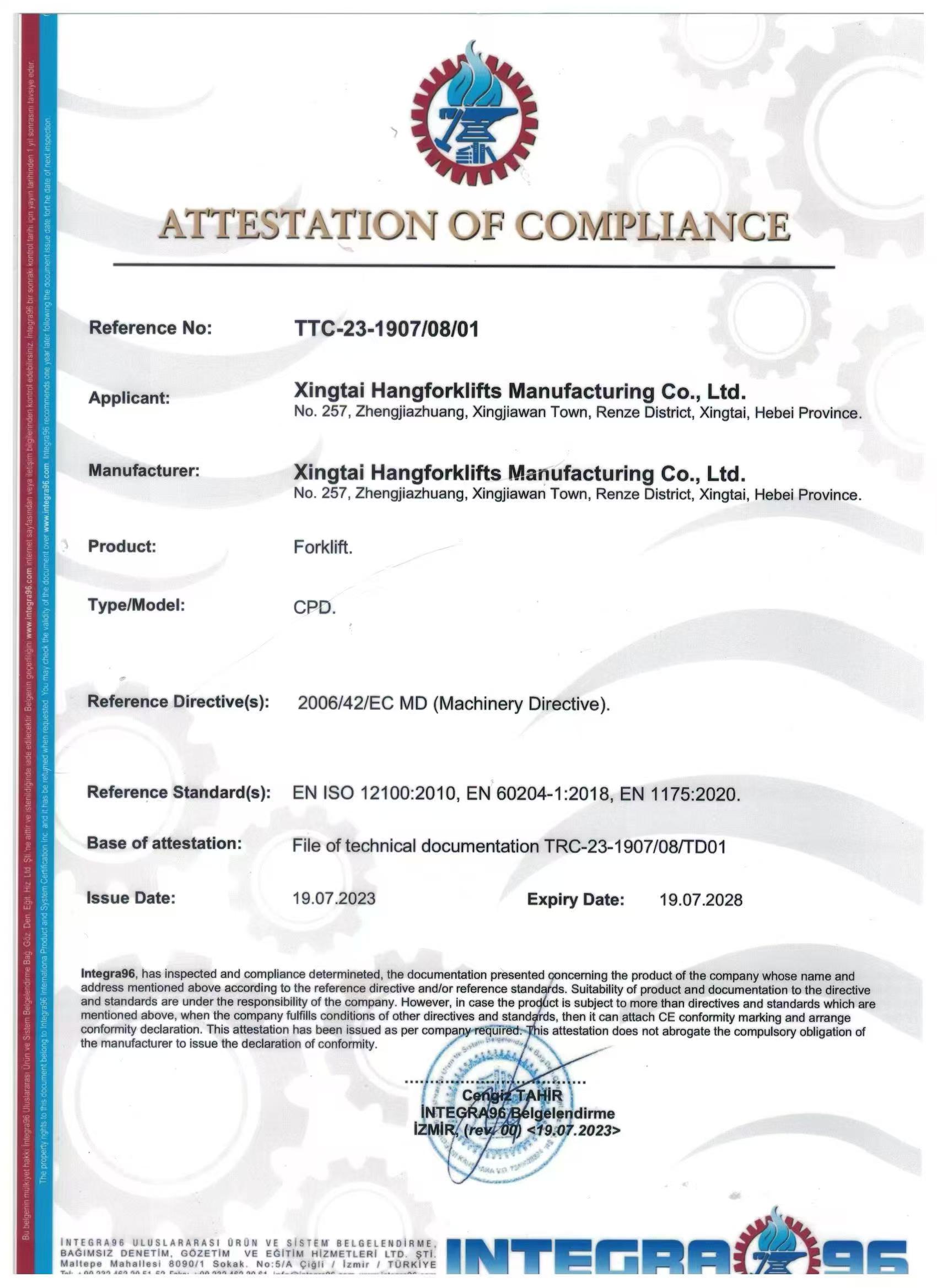
The CPD series attestation of compliance (TTC-23-1907/08/01, INTEGRA96) states its model scope, standards and validity window.
Verified CPD-Series Specifications Relevant to Compliance and Fit
The table below consolidates only the specifications that are documented in the CPD-series product data. It is deliberately narrow: entries marked as requiring confirmation should be settled in the order specification rather than assumed from another model in the same series.
| Model | Rated load capacity | Documented specification highlights | Battery configuration |
|---|---|---|---|
| CPD10 | 1000 kg (1 ton) | Brushless AC drive motor and pump motor; controller brand options SANTROLL / CURTIS / INMOTION / ZAPI | Heavy-duty lead-acid, with optional lithium battery (documented for this model) |
| CPD20 | 2 ton electric forklift truck | High-power front dual drive motors; electric steering with cargo-sensing smooth control; automatic electromagnetic parking brake and AI brake assist; internationally sourced well-known brand controller | Confirm in the order specification |
| CPD30 | 3000 kg | Standard and extended lifting height 3000 mm – 7000 mm; high-power electric drive system with intelligent MOSFET; large-angle adjustable steering wheel and voice prompts; large-flow cyclone air filter system | Confirm in the order specification |
| CPD35 | 3.5 ton electric forklift | Front wheel dual drive motors; P.E.S three-speed efficiency regulation; lateral side battery extraction layout; ergonomic right-positioned control valves | Confirm in the order specification |
Across the series, the documented applicable industries are warehousing and logistics, e-commerce warehouses, workshops, supermarkets and department stores, and cold chain fruit and vegetable wholesale markets. Because all four models are battery powered, they generate no tailpipe emissions at the point of use — a characteristic that matters for indoor air quality requirements and for enclosed clean production areas, and it is the reason the series is applicable to indoor environments where internal combustion trucks are not.
Documentation Checklist for CPD10, CPD20, CPD30 and CPD35
The checklist below is ordered the way a procurement or compliance review usually runs, from market definition through to fleet records.
Step 1 — Define the market and therefore the legal instrument
Start with the country of deployment and the site classification, not with the supplier. A CE attestation is an EU market access document and does not stand in for another region’s requirements.
Step 2 — Collect the four core document types
- CE attestation of compliance: TTC-23-1907/08/01, issued by INTEGRA96, valid from 19 July 2023 to 19 July 2028.
- CE declaration of conformity for the delivered model, signed by the manufacturer.
- ISO 9001 and ISO 14001 certificates covering quality and environmental management.
- UN38.3 documentation covering the lithium battery where an optional lithium configuration is ordered.
Step 3 — Match the model scope
Confirm that the model you are ordering — CPD10, CPD20, CPD30 or CPD35 — appears within the documented series scope, and that the model designation on the declaration of conformity matches the model designation on the unit.
Step 4 — Match the configuration
Record the battery type, lifting height, controller brand and fork configuration in the order specification, then ask which of those items is covered by the existing technical file and which requires project-specific confirmation.
Step 5 — Confirm the atmosphere and temperature class
Cold chain, cold storage and refrigerated environments should be confirmed explicitly, including whether the battery configuration suits the operating temperature. Where an explosive atmosphere is present, ATEX Directive 2014/34/EU is mandatory in the EU and the question becomes whether the unit has been supplied as an explosion-proof refit with the accompanying documentation — a point that must be settled before the order, not after delivery.
Step 6 — Confirm the manufacturing and quality trail
Documented production runs under an OEM production mode with quality control following a 100% test standard, which means every finished unit is tested before shipment. Ask for the test record format in advance so that the acceptance criteria are agreed rather than negotiated at delivery.
Step 7 — File the documents with the fleet record
Store the certificate number, issuing body, scope and expiry date against the asset, and set a review reminder before the 19 July 2028 expiry so that renewal is handled as planned maintenance rather than as an incident.
Regional and Scenario Fit: Warehouse, Workshop and Cold Chain
Certification questions rarely arrive in isolation from the working environment. The scenarios below pair the verified CPD-series facts with the compliance issue each one raises.
Enclosed warehouses and clean production areas
Indoor warehousing is the primary documented application for the CPD series, and the fastest-growing electric segment — Class II narrow-aisle trucks, at a projected 9.28% CAGR through 2030 — is an indoor story driven by warehouse densification. The compliance angle indoors is air quality and electrical safety: a battery-powered truck produces no tailpipe emissions at the point of use, and EN 1175:2020 is the standard that addresses the electrical safety dimension. The CPD10 and CPD20 suit shorter transfers and tighter layouts, while the CPD30 covers higher stacking with its documented 3000 mm to 7000 mm standard and extended lifting height.
Workshops and industrial park logistics
Industrial park operations typically mix component movement, work-in-process handling and finished-goods logistics across several buildings. An electronics manufacturer in an industrial park used the product for exactly that combination of routes over a cooperation period of 10 to 15 years, and the documented outcome was improved material-flow efficiency together with the removal of tailpipe exhaust from enclosed clean production areas. For buyers evaluating similar sites, the lesson is that the compliance case and the operational case usually point in the same direction — the emissions question that drives the certification decision is the same one that drives the indoor air quality decision.
Cold chain and cold storage
Cold chain fruit and vegetable wholesale markets are listed as an applicable industry for the CPD series. Where the operating temperature falls significantly below ambient, battery chemistry becomes the decisive variable: lithium-ion batteries in cold storage applications down to −20°C retain significantly more capacity than lead-acid batteries, and that performance gap is one reason the food industry segment is growing at an 11.6% CAGR. The CPD35, with its 3.5-ton capacity and lateral side battery extraction layout, is the heavier option in the series for cold chain work where pallet weights and throughput are high.
Explosive atmospheres
ATEX Directive 2014/34/EU is mandatory for electric forklifts used in explosive atmospheres within the European Union, which covers chemical and certain food processing environments. Explosion-proof refitting is offered as part of the customization scope, alongside low-temperature refitting and load capacity adjustment. Buyers in this category should treat the question as configuration-specific: the series certificate does not answer it, and the correct approach is to state the required protection level in the order specification and confirm what documentation accompanies the refitted unit.
Cross-region caution
North American electric forklift orders reached a 71% share of retail orders in 2024, and China’s domestic electric sales reached 946,300 units in 2025 — different markets, different regimes, and different documentation expectations. A CE attestation supports EU market access. It should be read as one regional instrument within a global sourcing decision, and buyers deploying across several regions should map each region’s requirements separately.
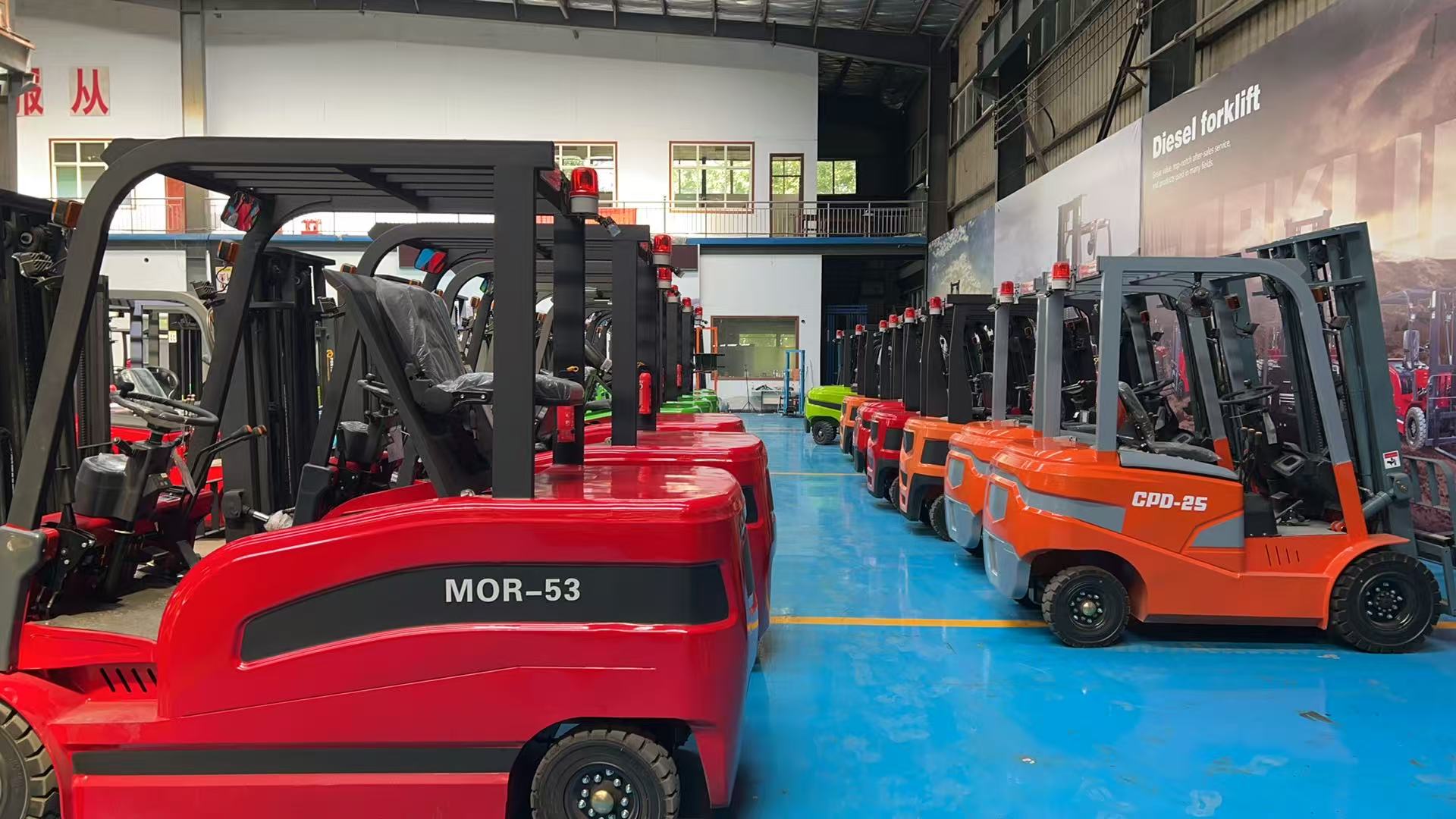
Units pass through inspection before shipment; quality control follows a 100% test standard.
Where Ningjin Shunhao Trading Co., Ltd. Fits in This Picture
Ningjin Shunhao Trading Co., Ltd. is a B2B-focused electric forklift manufacturer operating under the Mightlift brand, supplying OEM and ODM customized material handling equipment to global distributors, manufacturing plants, cold-chain enterprises and warehouse operators without intermediaries. The company was founded in 2022, exports to global markets, and works with more than 120 overseas distributors across 60 countries.
On the compliance side, the relevant facts for this guide are specific rather than general. The company holds ISO 9001, ISO 14001, CE and UN38.3 certifications alongside structural and battery technology patents, and the CPD series is covered by the INTEGRA96 attestation of compliance described above. Production runs in OEM mode with a documented minimum order quantity of 2 units, a 30-day lead time, monthly capacity of 10,000 units, quality control following a 100% test standard, and technical support after delivery. Buyers who need to verify capability before committing to a fleet can review the product range and documentation request process at www.mightlift.com.
FAQ
Does the CE attestation cover every CPD model and every configuration?
The attestation covers the CPD model series. It is issued under CE (Machinery Directive 2006/42/EC), carries certificate number TTC-23-1907/08/01, was issued by INTEGRA96 for the EU market, cites EN ISO 12100:2010, EN 60204-1:2018 and EN 1175:2020, and lists CPD10, CPD20, CPD30 and CPD35 as related models. It is valid from 19 July 2023 to 19 July 2028. Because the scope is written at series level, configuration decisions such as battery type, mast and lifting height, and any refitting should be confirmed against the technical file for the specific order rather than assumed from the series name.
Can the CPD series be configured for cold chain or for an explosive atmosphere?
Cold chain fruit and vegetable wholesale markets are listed among the applicable industries for the CPD series, and the CPD35 with its 3.5-ton capacity is the heavier option for that work. Lithium-ion batteries in cold storage applications down to −20°C retain significantly more capacity than lead-acid batteries, which is a relevant factor when specifying the battery configuration. For explosive atmospheres, explosion-proof refitting is offered within the customization scope alongside low-temperature refitting, but ATEX Directive 2014/34/EU is mandatory in the EU for equipment used in explosive atmospheres, so the protection level and the documentation for the refitted unit must be confirmed at order stage.
What should buyers budget for beyond the unit price?
Prices are not published in the product data, and configuration is the main variable: battery type, lifting height, controller brand and any refitting change the specification of the machine being quoted. What is documented commercially is the minimum order quantity of 2 units, a 30-day lead time and a monthly capacity of 10,000 units under OEM production mode. Buyers should therefore request a quotation structured by configuration, and treat documentation, battery choice and fleet-level items as part of the same specification rather than as separate purchases.
Can a sample unit be validated before a bulk order?
With a minimum order quantity of 2 units, a small validation order is the practical route. Quality control follows a 100% test standard, so every finished unit is tested before shipment, and validation should cover the delivered model designation against the declaration of conformity, the certificate copy held on file, and the configuration items written into the order specification. That sequence lets a buyer confirm both the physical unit and the paperwork before scaling to fleet volumes.
How quickly can a documented CPD order ship?
The documented lead time is 30 days, supported by a monthly capacity of 10,000 units under OEM production mode. Because documentation is generated per order, buyers should confirm at the quotation stage which certificate copies, test records and declarations will accompany the shipment. For a quotation, a certificate pack, or a sample order, contact licong@mightlift.com or reach the team on WhatsApp at +86-15100974388.
Conclusion: Treat the Certificate as a Scope, Not a Slogan
The most useful habit in electric forklift procurement is to read certification documents the way an engineer reads a datasheet — as defined limits. An attestation of compliance for the CPD series tells a buyer which models were assessed, against which standards, by which body, and until when. It does not tell the buyer what happens when the order includes a different battery type, an extended mast or an explosion-proof refit, and those are exactly the gaps that create delay at commissioning.
The practical sequence is straightforward: define the market and the legal instrument, collect the attestation and the declaration together, match model scope and configuration separately, confirm the atmosphere and temperature class before ordering, and file the validity window against the asset. Applied to CPD10, CPD20, CPD30 and CPD35 deployments in warehouses, workshops and cold chain operations, that sequence turns a compliance requirement from a last-minute obstacle into a specification item that is settled at the quotation stage.
Request the CPD Certification Pack
Send your deployment market, model of interest and required configuration to receive the certificate copies, model scope confirmation and a configuration-based quotation for a 2-unit validation order or a full fleet.
Email: licong@mightlift.com | WhatsApp: +86-15100974388 | Web: www.mightlift.com
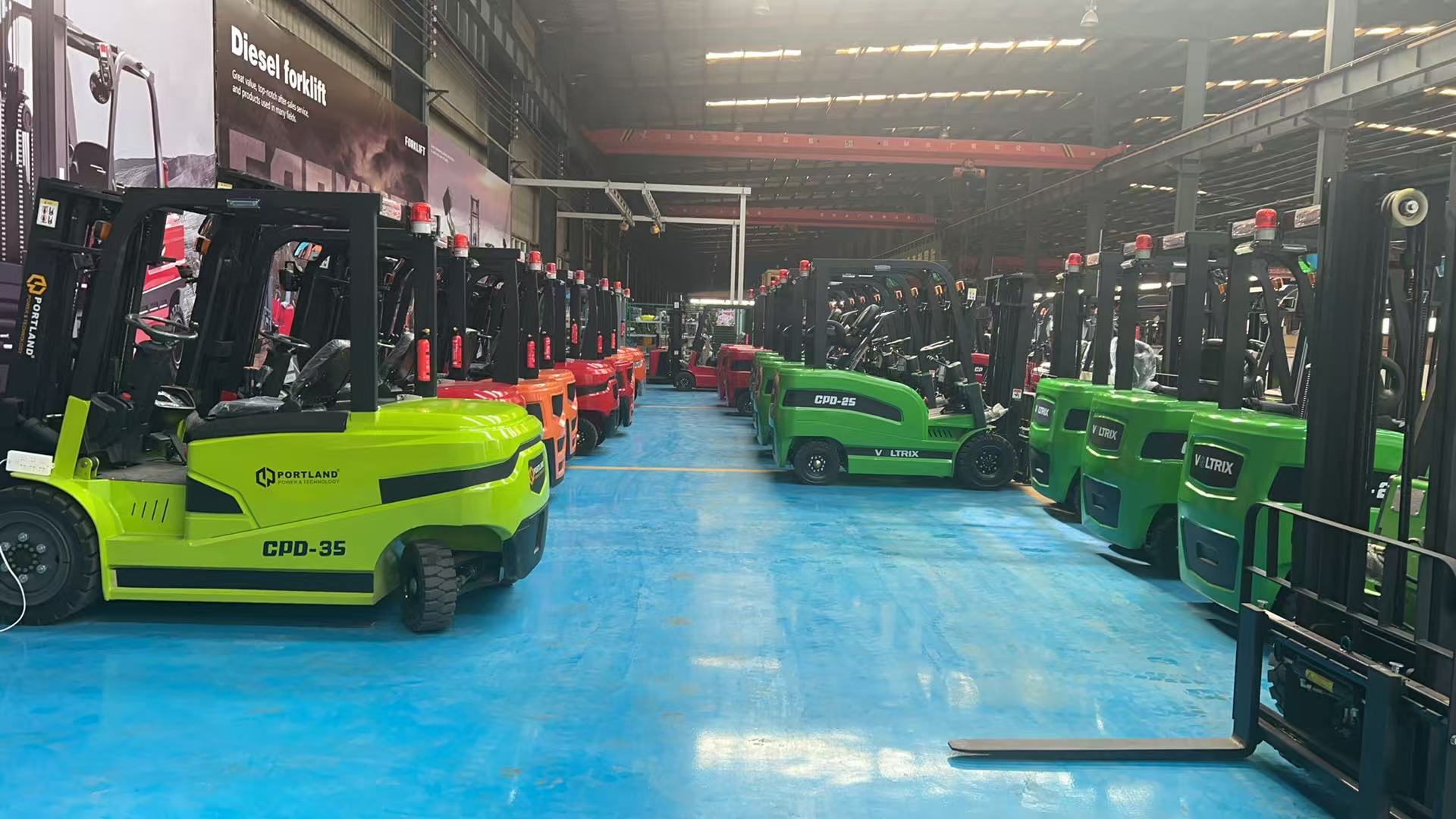
Documentation is prepared per order and issued together with the shipped units.
Have Questions or Need More Details?
Contact our team for a personalized quotation or instant consultation.
Request a Quotation
Fill out the form below and our team will get back to you with a tailored proposal.
WhatsApp Direct Chat
Prefer to chat in real-time? Message us on WhatsApp for instant assistance & quick answers.
- Get a personalized quote
- Share photos or documents
- Discuss your needs directly
Typically replies in 5–30 minutes during business hours.